(Published 2021, Last Updated 2026)
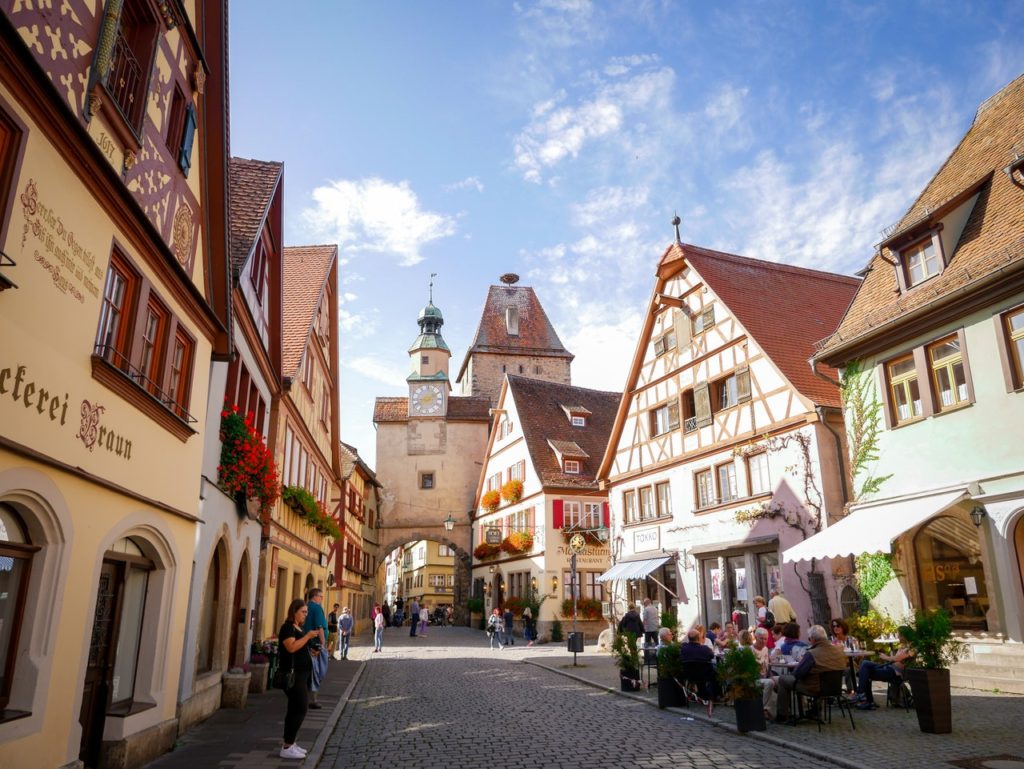
Life as an expat or digital nomad often means moving between countries you may have never visited before. Germany, known for its rich culture, historic cities, and world-famous Oktoberfest that attracts over six million visitors annually, is a popular destination for international professionals and travelers alike.
Whether you find yourself in Berlin, Munich, or a charming town like Rothenburg ob der Tauber, settling in, even temporarily, often means accumulating more belongings than expected. If you’re staying for work, leisure, or language study, it’s entirely possible to maintain a minimalist lifestyle while living in Germany.
This guide explores practical, location-specific resources to help you responsibly sell, donate, or recycle unwanted items during your stay. We’ll cover:
1. SELLING 2. DONATING 3. RECYCLING

Photo by KAROLINA GRABOWSKA
1. Selling
If you’re looking to declutter while earning a bit of extra cash, perhaps to fund your next trip, Germany offers several convenient resale options.
While local Facebook Marketplace groups are widely used in major cities, the most recommended platform is eBay Kleinanzeigen (now simply “Kleinanzeigen”).
Kleinanzeigen functions similarly to Craigslist or Facebook Marketplace. You can: post items for free, communicate directly with buyers, arrange local pickup, and accept payment via PayPal or cash.
It’s one of the most widely used secondhand platforms in Germany and is particularly effective for furniture, electronics, and household goods.
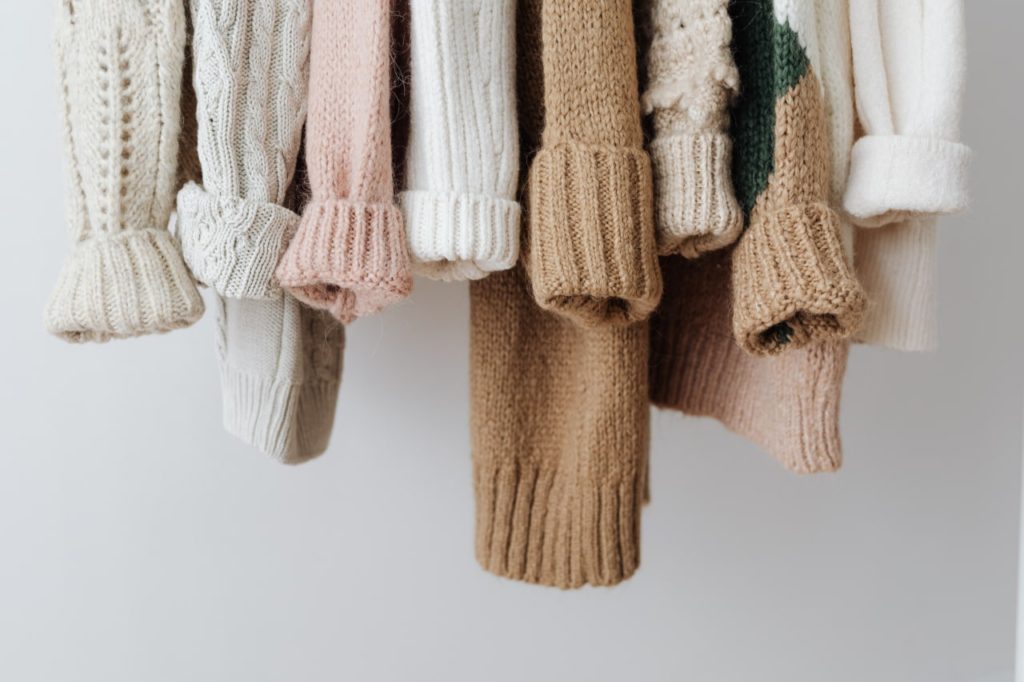
Photo by KAROLINA GRABOWSKA
2. Donating
If selling isn’t your goal, Germany has an extensive donation infrastructure across the country.
General Item Donations
Wohindamit is a helpful online resource that allows you to search by region and item type to find appropriate donation centers.
Facebook Groups such as Free Your Stuff Berlin allow residents to give items away for free. Be sure to review each group’s rules before posting.
Clothing Donations
Deutsches Rotes Kreuz (German Red Cross) operates second-hand shops and clothing containers nationwide. You can donate clothing, shoes, linens, bags and accessories. Items should be clean and dry, though minor wear is often acceptable. To locate their shop fronts and clothing containers, click here.
Oxfam deutschland operates second-hand shops in multiple German cities. Donations typically include clothing and linens in good condition. Important guidelines include: Items must be clean and seasonally appropriate. Clothing should not contain holes or major damage. Shoes and paired items should be tied together. Larger donations may require advance notice. Read more about what donation they do and don’t accept here.
Furniture & Household Items
Sozialkaufhäuser (Social Department Stores) is a series of nonprofit shops resell donated household items at affordable prices.
FairWertung is an umbrella organization connecting nonprofit second-hand shops and donation points. You can find there shops here.
STILBRUCH (Hamburg only) is a dedicated option for donating furniture and larger household items within Hamburg.
Books
Oxfam also operates dedicated bookshops in select cities. Use their store locator and filter for “Bookshops Only” to find participating locations.
Toys
Organizations such as DEKRAS Toys Company accept toy donations in certain regions. Check local listings for availability.

Photo by KAROLINA GRABOWSKA
3. Recycling
Germany is known for its highly structured recycling system. Understanding bin colors and categories is essential to avoid fines and ensure proper disposal.
Paper & Cardboard (Blue Bin) Pappe/Papier
Deposit items like cardboard boxes, paper bags, magazines and books, toilet-paper-rolls and loose-leaf paper. Note: Do not dispose of paper items with food residue (e.g., greasy pizza boxes). These belong in residual waste.
Plastic & Metal (Yellow Bin) Wertstoffe / Gelber Sack / Gelbe Tonne
Deposit plastic packaging, food containers aluminum foil, tins, metal lids. Do not dispose of glass or paper in this bin.
Organic Waste (Brown Bin) Biomüll
This bin takes compostable items such as kitchen waste and garden waste including food scraps, napkins, dirt, coffee grounds, dirt, leaves, etc. These bins are more common in some regions than others. Use paper bags or dispose of waste loose. Avoid plastic bags.
Residual Waste (Black or Gray Bin) Restmüll
Household waste, residue waste, non-recyclable waste. Examples include hygiene waste, broken ceramics, dippers, toothbrushes, and cat litter. Drinking glasses and window glass also belong here, not in glass recycling bins.
Bottle Recycling & Pfand System
There two types of bottles; one with a “Pfand” and one without.
Bottles with a “Pfand symbol” can be taken to supermarket machines Leergutannahmestelle to receive a refund. When returned, you can receive a change for each bottle you deposit.
Glass Bottles Without Pfand can include vinegar bottles, oil bottles, empty jam/marmalade jars, sauce jars, bottles of wine, and other certain glass bottles. Dispose of these in public glass recycling containers, sorted by color:
Weißglas → white glass Braunglas → brown glass Grünglas → green glass
These large rounded bins are typically located in designated neighborhood areas.
Batteries & Electronics
Battery recycling stations are commonly found at supermarket entrances.
For larger or hazardous waste, use a Recyclinghof (recycling center). Locations can be found by searching your city name alongside “Recyclinghof.”
Important Recycling Rules in Germany
Germany enforces quiet hours and disposal regulations. For example:
Glass disposal is typically prohibited before 8:00 AM and after 8:00 PM.
Electronic or hazardous waste should never be left on the street.
Improper disposal can result in fines, so it’s important to follow local municipal guidelines.
ADDTIONAL RESOURCES
Howtogermany provides more in-deph info about the recycling system if you wanna have a read.
Here is a PDF that illustrates the sorting system if you prefer to see visuals. (Berlin). Also here
Handbookgermany also has a nice guide to recycling with a video link for more visual explanation.

Photo by Kai Pilger
Final thoughts
Germany provides structured and accessible systems for selling, donating, and recycling unwanted items. With the right information, maintaining a minimalist lifestyle as an expat or digital nomad is entirely achievable.
Wherever your journey takes you next, thoughtful consumption and responsible disposal make transitions smoother, and more sustainable.
Featured Photo by Jiatong Tian


